For ages 4 to 6, the best activity books are not always the ones with the most pages or the loudest covers. At this stage, children are still building attention span, pencil control, and confidence. A strong activity book should feel inviting, not overwhelming. It should give children a clear next step on every page, offer enough variety to keep them curious, and help adults guide the experience without turning it into a lesson they have to manage from scratch.
That is why parents often feel disappointed after buying a generic workbook. Many books for young children rely on repetitive drills, crowded layouts, or activities that are slightly too advanced for the average 4- or 5-year-old. The result is predictable: children lose interest, adults stop reaching for the book, and it ends up sitting on a shelf. The best activity books for kids ages 4 to 6 solve that problem by matching the child's actual developmental stage and by making the pages feel playful from the start.
What parents should look for first
Before you compare brands or themes, start with usability. A good book for this age should have uncluttered pages, simple instructions, and a balance between guided tasks and open-ended play. Young children do better when they can understand a page quickly and experience a small win early. That might be tracing a short line, finishing a simple maze, finding a hidden object, or answering a story prompt with an adult.
- Large, readable page layouts with enough white space.
- Short instructions that an adult can explain in a sentence or two.
- A mix of activity types such as coloring, matching, tracing, mazes, and observation.
- Age-appropriate difficulty that creates momentum instead of frustration.
- Themes children can connect to emotionally, such as stories, animals, seasons, or adventure.
What separates a great activity book from a forgettable one
Variety matters, but relevance matters even more. The strongest activity books for children ages 4 to 6 use activities to support a bigger experience. Sometimes that bigger experience is storytime. Sometimes it is pretend play. Sometimes it is a seasonal theme that gives the child context for what they are doing. When the activities feel connected, the child stays engaged longer and the adult has an easier time returning to the book the next day.
Story-based activity books are especially effective because they give children a reason to care about the puzzles and prompts. Instead of filling in boxes because the page says so, the child is helping a character, completing a mission, or noticing details that move the story forward. This is one reason books that combine reading with activities often get more repeat use than standalone drill books.
Signs a book is too advanced or too shallow
- The child needs constant adult correction to complete the page.
- Most tasks rely on writing skills the child does not yet have.
- Every page repeats the same mechanic with a different picture.
- The book feels more like test prep than play.
- There is no reason for the child to revisit the book once the page is finished.
Where Cogni's Adventures fits
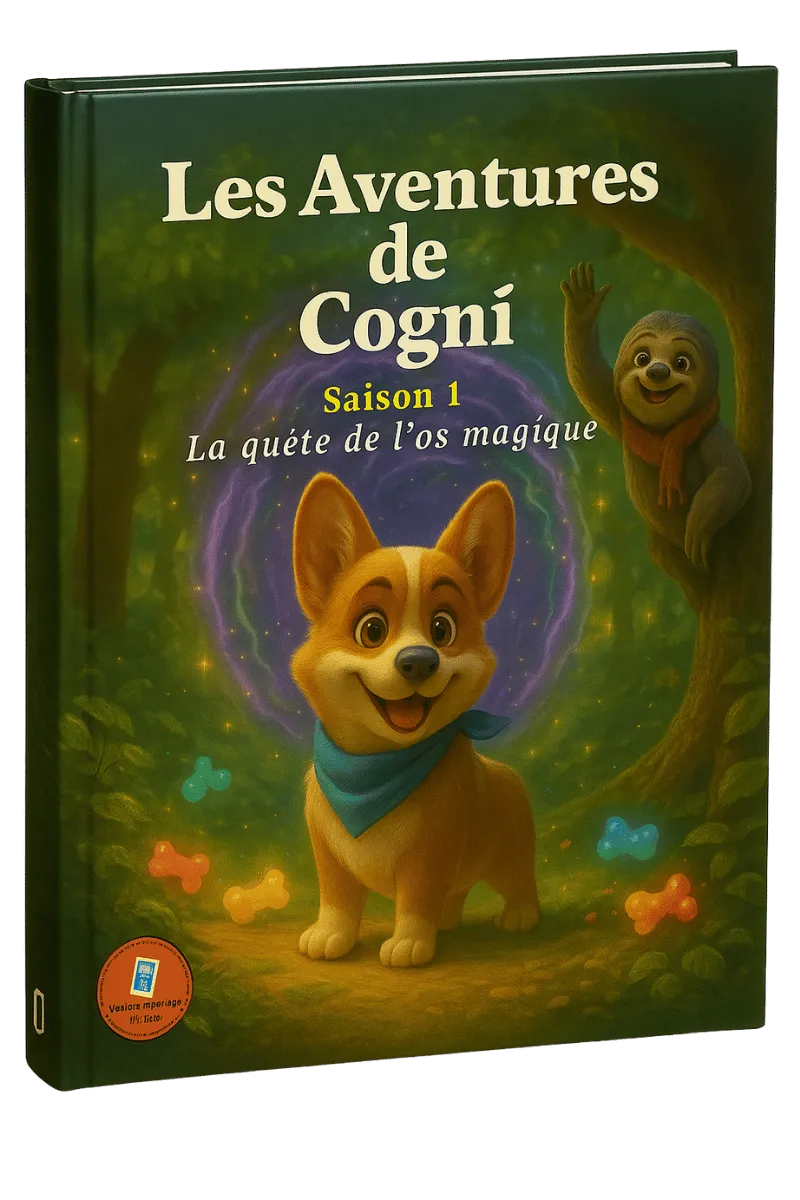
Cogni's Adventures is a useful option for families who want more than a worksheet book. It is designed as a children's activity book that keeps story at the center, then adds activities that support observation, conversation, tracing, and playful problem solving. That makes it a better fit for parents who want a giftable book, a bedtime-adjacent option, or a screen-free activity that still feels fresh after the first use.
For children on the younger end of the range, adults can guide the book and use the activity moments as prompts for language, turn-taking, and confidence. For children closer to 6, the same format still works because the story gives them a structure to follow while the activities create small challenges that keep them involved. This balance is often what parents are really looking for when they search for the best activity books for kids ages 4 to 6.
How to use an activity book at home
A good activity book becomes more valuable when it fits naturally into the week. Families do not need an elaborate routine. Ten to fifteen minutes after school, before bedtime, or on weekend mornings is enough. The point is to choose a book that is easy to pick up and easy to resume. If the book supports both quick wins and longer reading moments, it is more likely to become part of a real routine.
- Use one or two pages after storytime instead of trying to finish large sections at once.
- Keep crayons or pencils nearby so setup never becomes a barrier.
- Let the child repeat favorite pages or prompts if they enjoy them.
- Use printable activity pages as extensions when the child wants more.
Common mistakes parents make when choosing
Even well-intentioned parents sometimes end up with a book that doesn't get used. The most common mistake is buying based on the cover or the marketing copy rather than the actual page layout. A book that says 'boosts brain development' on the cover can still be poorly suited to a specific child if the activities are too advanced, too repetitive, or disconnected from anything the child cares about.
- Buying a book aimed at an older age range because it looks more 'serious' or academic.
- Choosing a book with dozens of pages of the same activity type instead of variety.
- Ignoring page density — a crowded page can overwhelm a child who is still building focus.
- Skipping a quick preview of the first few pages before buying, when one is available.
Frequently Asked Questions
What should a 4-year-old be able to do in an activity book?
A 4-year-old usually does best with simple mazes, tracing, coloring, matching, and story-based prompts that do not depend on fluent reading or advanced writing.
Are activity books good for 5- and 6-year-olds too?
Yes, as long as the book has enough variety and progression. Children at 5 and 6 often enjoy slightly more complex puzzles, sequencing tasks, and books with a clear story context.
What kind of activity book keeps children engaged longer?
Books with connected themes, a strong visual identity, and activities that feel purposeful tend to get more repeat use than generic workbooks with repetitive drills.
How many activity books does a child actually need?
One well-matched book is usually enough at a time. It's more effective to fully use one book that fits your child's age and interest than to own several that only get partial use.